
St. Ignace Criminal History Checks
Begin with the office that created the record. St. Ignace Police keeps city incident reports, Mackinac County Jail keeps booking and custody records, and the 92nd District Court or 11th Circuit Court keeps the filed case. A sound St. Ignace record check follows five steps.
- Identify the agency, event date, place, and names.
- Request the police report from City Hall.
- Search 92nd District Court through MiCOURT.
- Check the jail or Circuit Court when the event involves custody or a felony.
- Use Michigan ICHAT for the statewide reportable-history layer.
Check each result against the next custodian because a police allegation, jail booking, and court disposition describe different stages.
File a Report Inside St. Ignace City Hall
The Police Department is inside City Hall at 396 North State Street. A person can report an event there or ask to speak with an officer. If an officer is away, city staff can call one through dispatch or take contact information. For a past file, give the date, place, names, report number if known, and exact item wanted.
City staff can route an officer call, while written record requests should identify the precise incident and requested format.
Records at the St. Ignace Police Department
Five full-time MCOLES-certified officers provide round-the-clock coverage across roughly three square miles. Call 906-643-6077 for the office, 906-643-8877 for nonemergency dispatch, or 911 for an emergency. The official police page is the current contact source. The city has no confirmed public police-record portal or full daily blotter.
Police files can contain narratives, arrest facts, crash material, evidence references, and officer actions. Release depends on Michigan law, current investigative needs, privacy, and juvenile restrictions.
Office Phone or Tri-County Dispatch?
The office line serves record and administrative questions. Central Dispatch in Kincheloe sends officers to nonemergency calls through Michigan’s MPSCS network. Cruisers use LEIN, but neither system is public. A resident cannot search dispatch radio data or LEIN for criminal history or warrants.
Use dispatch for an officer response and the office line for records, since the two channels serve different needs.
Booking and Arrest Records in St. Ignace
St. Ignace has no separately advertised city jail. Officers book people at the 28-bed Mackinac County Jail at 100 South Marley Street. Call 906-643-7325 or use MI-VINE for custody. Return to city police for the narrative and use MiCOURT for charges. Those sources update at different points, and the prosecutor’s filed charge may differ from the allegation at arrest.
A custody result does not establish the filed charge or outcome, so follow it with the court docket and police report.
St. Ignace Uses a Two-Stop Record Path
North State Street holds the city report. South Marley holds the jail, probation offices, and principal criminal courts. This makes a two-stop request normal. A court complaint summarizes filed allegations but does not replace the police narrative, while a police report does not establish the final judgment.
Planning both custodians from the start prevents a request for a court judgment from being sent to city police.
The St. Ignace Municipal Court File
St. Ignace has no independent municipal criminal court. City ordinance matters, civil infractions, misdemeanors, and felony preliminary stages go to 92nd District Court. Felonies move to 11th Circuit after bind-over.
| Court | 92nd District Court, Room 55, 100 S. Marley St. |
|---|---|
| Case types | Misdemeanors, ordinances, infractions, and felony preliminary stages |
| Lookup | MiCOURT or 906-643-7321 |
| Docket | Charges, bond, hearings, events, and public disposition |
| Felony path | 11th Circuit Court after bind-over |
Search Circuit Court as well when the District docket records a felony bind-over.
A St. Ignace felony normally starts in 92nd District Court for arraignment, bond, and preliminary examination. If probable cause is found or the examination is waived, the case moves to 11th Circuit Court for later pleas, trial activity, judgment, and sentence. Search both court selections and compare the event dates before deciding that the public trail has ended.
St. Ignace FOIA Choices
The St. Ignace FOIA form lets a requester seek an ordinary copy, certified copy, inspection, or permitted subscription and choose delivery. Describe the record precisely. Michigan FOIA covers city executive records, but exemptions may protect active investigations, private data, juveniles, and LEIN information. Court records use judicial access rules.
Keep a copy of the request and any response so the scope, fees, redactions, and delivery choice remain clear.
How St. Ignace Records Reach the County
Record flow: St. Ignace Police Department › Mackinac County Courts › Michigan State Police
Use police for event detail, courts for the case result, and ICHAT for the public statewide conviction layer. ICHAT omits warrants and many local matters.
Bridge Traffic Complicates St. Ignace Statistics
St. Ignace sits at the north end of the Mackinac Bridge and serves Island ferry traffic. Resident population does not capture all people exposed to city police activity. Use FBI Crime Data Explorer or Michigan UCR with the St. Ignace agency and year selected. Do not relabel county totals as city totals.
Agency-year counts and visitor context give a fairer view than a raw rate based only on permanent residents.
Bridge and ferry traffic can bring nonresident incidents into the city record stream, so the responding agency and event location matter more than a rate calculated from residents alone.
When a St. Ignace Search Goes Federal
Federal cases use the Western District of Michigan and PACER, not Mackinac County courts. The Bureau of Prisons provides the official federal inmate locator.
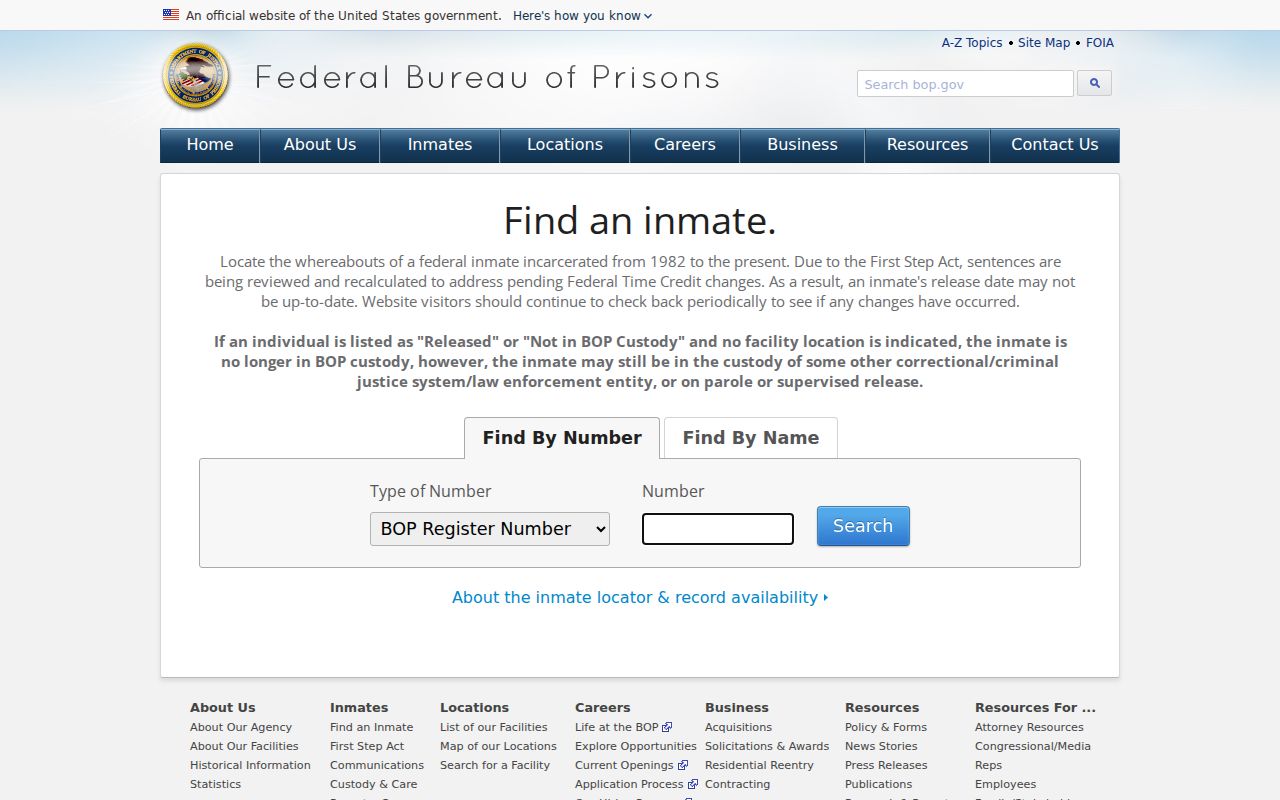
The locator confirms federal custody only and does not replace city police, county jail, or Michigan court records.
A St. Ignace police report records what officers saw, heard, collected, and did during an event. The prosecutor later decides which allegations, if any, support a filed charge. The District Court complaint therefore can use different wording or fewer charges than the arrest paperwork. A final disposition comes later still. Readers tracing St. Ignace criminal records should preserve each date and document title instead of merging the three stages into one account. When MiCOURT shows a case but does not attach the desired document, call the District clerk. When the docket lacks the officer narrative, request it from St. Ignace Police. If the matter was dismissed, ask both offices what remains public because dismissal does not automatically erase every police or booking file. MiCOURT can expose the court, case number, parties, charge labels, event dates, bond entries, hearing activity, and disposition that the court makes public. A status such as closed does not state by itself whether the result was conviction, dismissal, or another outcome. Open the event detail and obtain the judgment when the outcome matters.
A felony commonly begins in the 92nd District Court with arraignment, bond, and preliminary-examination activity. After waiver or a probable-cause finding, it is bound over and receives an 11th Circuit trail. Search both courts with the same identity and compare dates. Misdemeanors punishable by no more than one year generally finish in District Court. The jail can help confirm whether a person is in current custody, the booking connection, and available visitation or custody information. It cannot supply the complete St. Ignace Police narrative or decide what charge the prosecutor will file. MI-VINE can provide custody status and notifications, but it is not a criminal-history report. A release from custody does not mean the case ended. Because the Mackinac County Jail accepts detainees from several agencies, ask which agency booked the person before sending a report request. Island Police, Michigan State Police, tribal police, and the Sheriff also use the same small facility. That one fact prevents a common St. Ignace error: assuming every South Marley booking began with St. Ignace Police.
St. Ignace Record Access Rules
Michigan FOIA provides the written route to nonexempt city police records. Courts handle their own dockets and copies. Victim details, juvenile files, active investigative material, and protected law-enforcement data may be withheld or redacted. A denial or redaction should identify the legal basis, and a requester can narrow an overly broad request to a specific incident, date span, or record type.
St. Ignace records are not all public on the same terms. Juvenile and family-division material receives greater protection. Search-warrant material may remain unavailable before execution. LEIN data is restricted. A public docket may still omit an attachment that the clerk can provide under court rules. Use the custodian’s written process rather than assuming that one missing online item is sealed.
Key Statutes:
Michigan Freedom of Information Act covers nonexempt city records.
MCL 28.242a governs criminal-history dissemination.
St. Ignace has no verified public complete warrant portal. ICHAT omits warrants, and LEIN is restricted. For a District misdemeanor or felony-preliminary case, call 906-643-7321. For a Circuit felony, call 906-643-7300. MiCOURT may show a public warrant event, but silence does not prove that no warrant exists. A person resolving their own warrant should confirm the case number, charge, bond, appearance instructions, and issuing court. Do not send money because an unsolicited caller cites an online arrest. Verify payment demands through published jail and court numbers. A request to city police will not produce an MSP narrative or tribal-court record. Start with the badge agency, report number, place, and transport destination. A police report begins with the incident. Jail intake follows arrest. The prosecutor reviews allegations before filing, the clerk posts the case, and MSP receives reportable fingerprints and dispositions later. A same-day search can show custody without a case or a case without a complete ICHAT result.
Write down when each source was checked. Call city police and jail for recent events. For older cases, obtain the judgment and compare it with ICHAT, especially after amendment, dismissal, transfer, or set-aside. Arraignment is the first formal court appearance on a charge. Bond is the release decision and conditions, not a finding of guilt. A preliminary examination tests probable cause in a felony before bind-over. Bind-over means the felony moves from District to Circuit Court. Disposition identifies how a charge ended. Sentence follows a conviction, but later review or set-aside activity can add new docket events. Read these fields by date. Using only the newest date can hide the sequence. When a docket code is unclear, ask the clerk what that local entry means instead of guessing from a private glossary. A strong police request names St. Ignace Police, gives a narrow event date or span, describes the approximate time and location, supplies involved names, and lists a report number when known. State whether inspection, an electronic copy, an ordinary paper copy, or a certified copy is wanted. This lets city staff locate the record and estimate work without guessing at the scope. Do not combine every record about a person into one vague demand. Separate the city incident report from court documents, jail custody, and statewide history because each belongs to another custodian. A narrow request can also reduce search and review time and makes it easier to understand any redaction or denial.